New Delhi, March 20: In a significant move aimed at providing relief to common consumers and developing agencies, the Delhi Jal Board (DJB) has approved a crucial policy reform related to Infrastructure Charges (IFC). High IFC rates have long posed a major obstacle to construction and redevelopment in the capital.
Under the leadership of Water Minister Pravesh Sahib Singh, the DJB has implemented an interim yet effective solution that will offer immediate relief to millions whose projects have been stalled due to elevated IFC rates.
Key decisions include allowing consumers and developers to obtain a provisional No Objection Certificate (NOC) by paying only 25 percent of the total IFC at the time of building plan approval. The remaining amount will be adjusted later according to applicable rates at the time of final approval for water connections.
Changes in the IFC calculation system over the past few years—from an occupancy-based model to a floor area-based model—have led to significant increases in charges, in some cases rising five to ten times. This has placed a heavy financial burden on ordinary citizens and halted construction and redevelopment activities.
As a result, many property owners have been unable to obtain NOCs, leading to continuous delays in building approvals and projects.
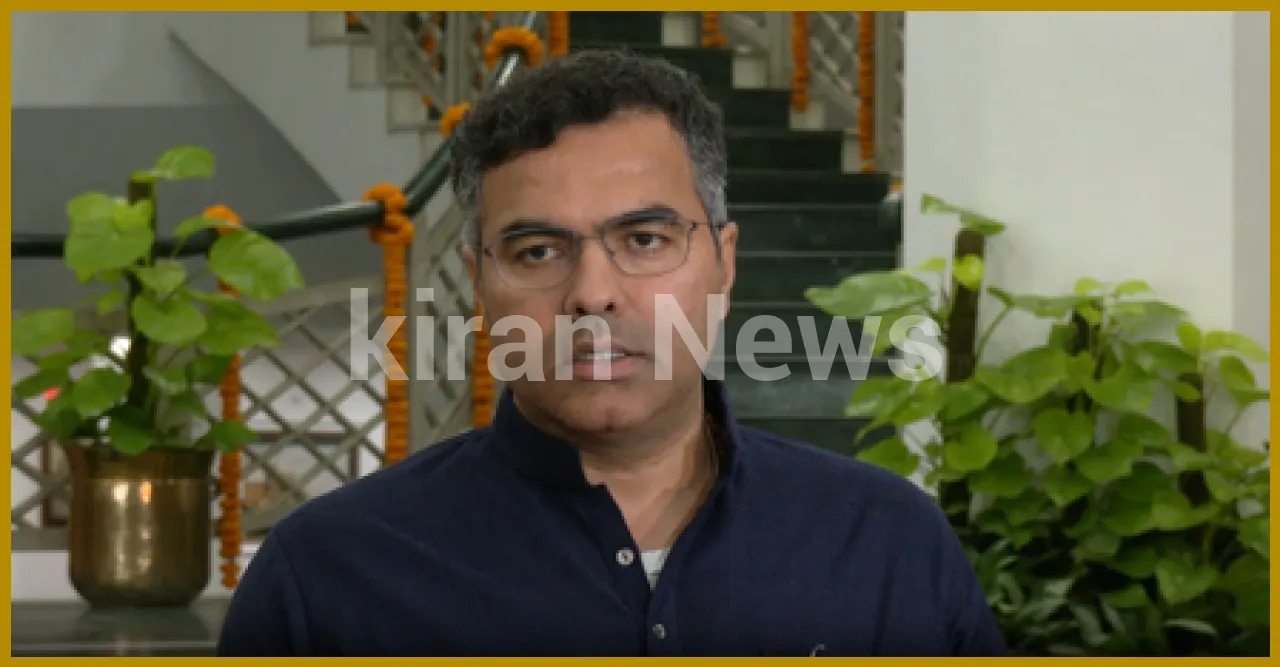
Speaking on the decision, Pravesh Sahib Singh stated, “We have been receiving constant complaints that high IFC is preventing people from building their homes. This was neither fair to citizens nor effective for the system. We decided to address this from a practical and humane perspective.”
He further added, “We are making the system more user-friendly, rather than forcing people to struggle with it. Now, construction can start with just a 25 percent payment, and the remaining amount will be fairly adjusted later.”
Highlighting the broader vision, he said, “This reform aligns with Prime Minister Narendra Modi’s vision of ‘Ease of Doing Business’. Our aim is to simplify processes, remove obstacles, and empower citizens and developers to move forward without delays. We want to make Delhi a model of efficient and citizen-friendly administration.”
The main benefits of this reform include immediate approvals for stalled projects, faster approvals and construction work, a significant reduction in initial financial burdens, and increased transparency and flexibility within the system.
Additionally, as an extra relief measure, properties up to 200 square meters will be exempt from IFC, while larger plots will also benefit from a revised and rationalized structure. It is estimated that in many cases, total IFC liabilities could decrease by 50 to 70 percent, significantly reducing the cost burden on citizens.
Pravesh Sahib Singh concluded, “Our goal is not to increase revenue but to create a fair and balanced system. When people can pay easily, the system will be stronger. We are committed to making home construction in Delhi simple, fast, and transparent.”