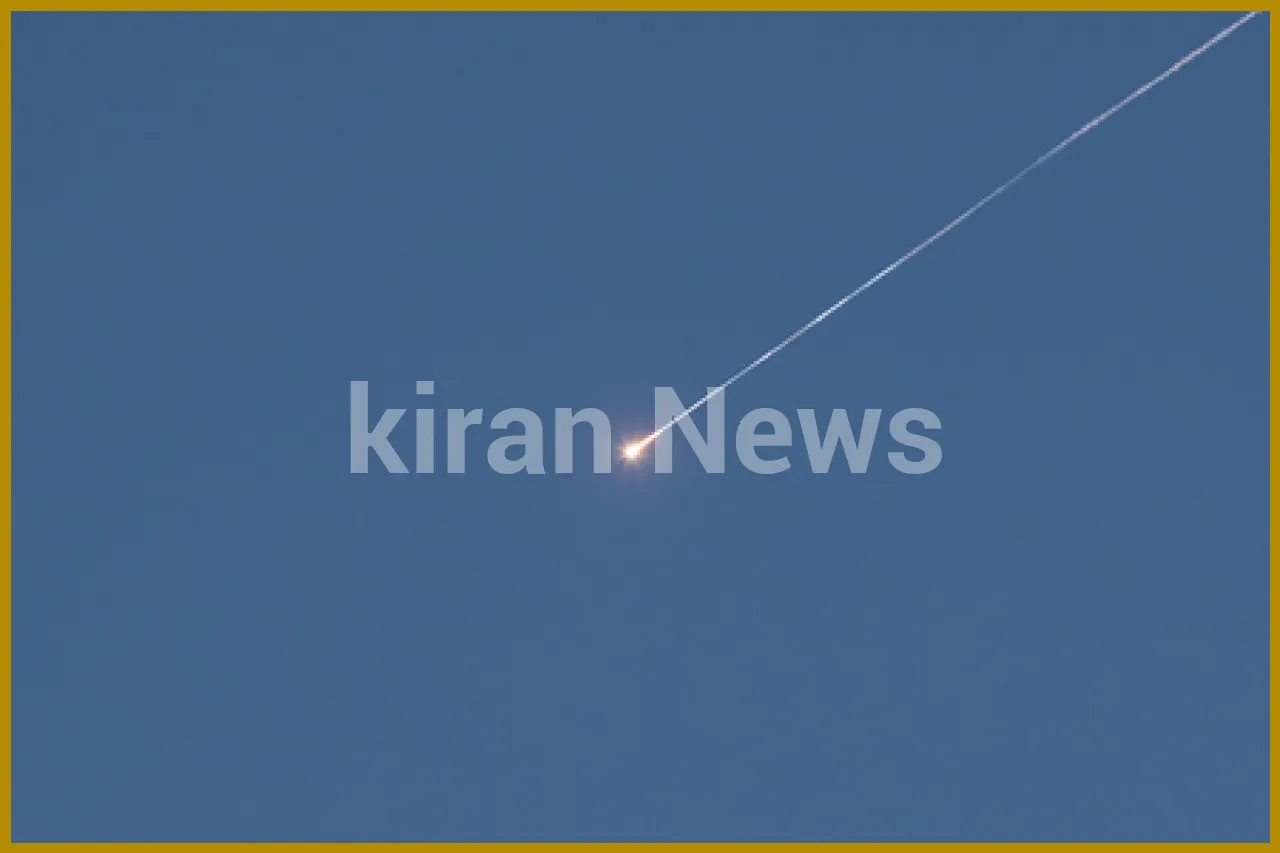
Tel Aviv, March 22: Iran has launched a series of ballistic missile strikes targeting Israel, with the capital Tel Aviv and Jerusalem now under threat. The attacks, which began on Saturday, have already struck the cities of Dimona and Arad, known for their proximity to Israel‘s nuclear facilities. Reports indicate that four ballistic missiles were fired early Sunday morning.
According to The Times of Israel, over 300 individuals have been injured in these attacks, including children, as confirmed by the Israeli Foreign Ministry and health services. The Magen David Adom health services reported that many injuries were caused by cluster bombs.
In Dimona and Arad, more than 100 injuries have been reported, with Israeli Army Radio stating that 150 individuals were hospitalized following the assaults. In Arad alone, 84 people were admitted to the hospital, with 10 in critical condition.
Iranian state television characterized the Dimona attack as a “strong response” to an Israeli strike on the Natanz nuclear facility. The Iranian nuclear energy organization had previously stated that the Natanz enrichment site was targeted, but there were no reports of radioactive leaks.
Images emerging from the affected areas show significant destruction to homes and streets. Meanwhile, a spokesperson for Hamas’s military wing, Abu Obaida, justified the missile strikes on Dimona and Arad, claiming they were a response not only to American aggression but also to Israeli actions against Palestinians in Gaza.
These Iranian strikes have escalated following a threat from U.S. President Donald Trump, who warned on social media that if the Strait of Hormuz was not fully opened within 48 hours, the U.S. would attack Iran’s power plants, starting with the largest facility. In response, Iran has warned that if its power plants are targeted, it will retaliate against all energy infrastructure linked to the U.S. and Israel in the Middle East.
–