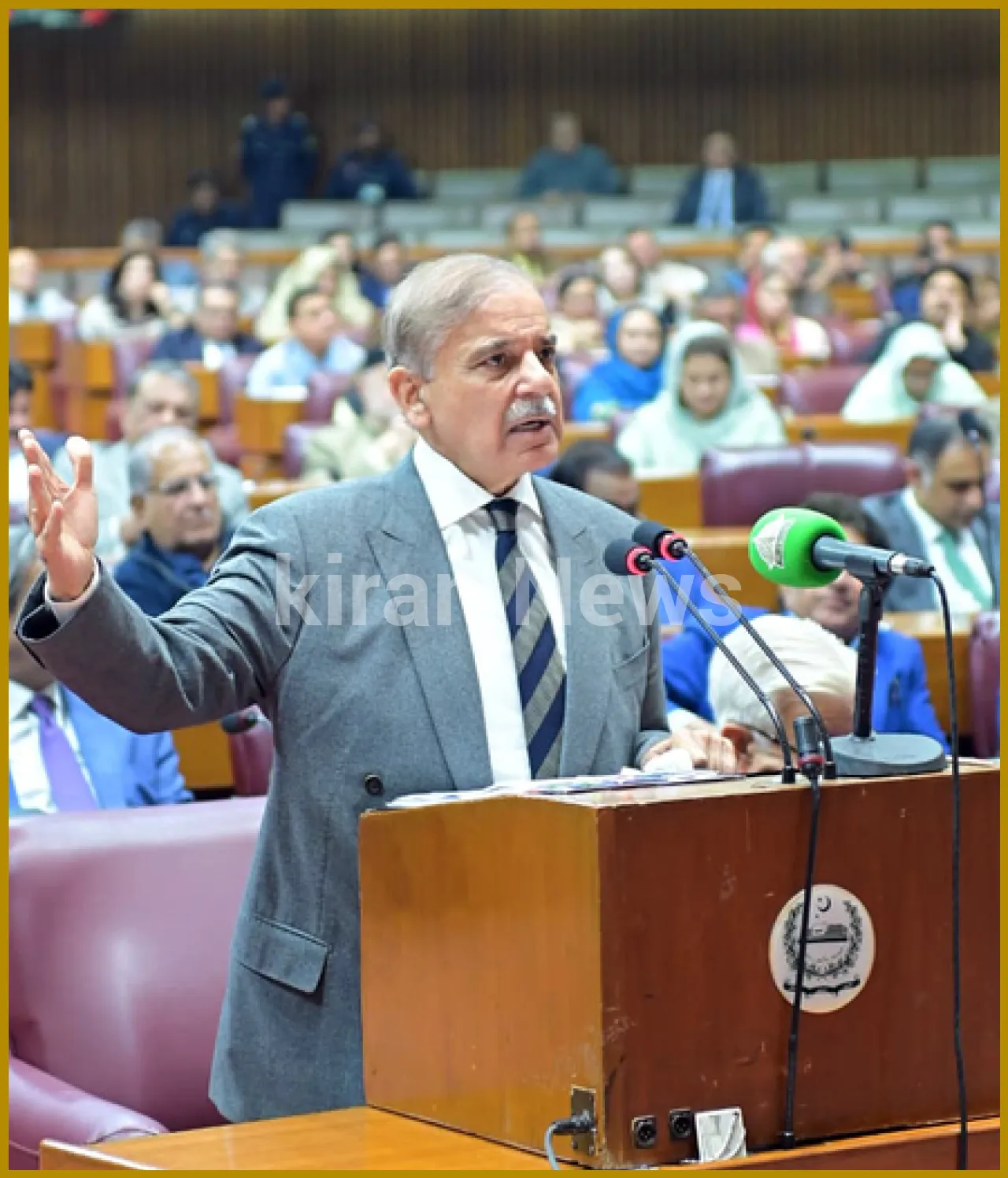
Islamabad, March 11: The ongoing conflict between the United States, Israel, and Iran has triggered a global oil crisis, significantly impacting Pakistan’s economy and daily life. In response to the situation, Prime Minister Shahbaz Sharif has announced stringent austerity measures, stating that a “difficult decision” regarding fuel prices has become unavoidable.
These measures are expected to affect everyone in the country. Foreign trips for ministers and advisors have been canceled, and ministers will not receive salaries for two months. Additionally, there will be a 25% reduction in the salaries of parliament members.
To further manage the crisis, government vehicles will receive 50% less fuel for the next two months, and 60% of government vehicles will be off the road. All government departments will cut their expenses by 20%.
Prime Minister Sharif emphasized that the international oil market is beyond Pakistan’s control, and rising global conditions are putting pressure on fuel prices. He urged the public to remain patient during this crisis and support the government’s initiatives.
Among the key measures announced by the government is the decision to halve the number of employees in public and private offices. Some employees will work from home to reduce fuel consumption, although this rule will not apply to essential services such as banks, hospitals, agriculture, and industry.
In light of the energy crisis, all schools and colleges across the country will remain closed for two weeks. Higher education institutions have been instructed to conduct classes online during this period to ensure that academic activities are not completely disrupted.
Given the seriousness of the situation, the federal government has convened a special cabinet committee meeting to review fuel reserves and national preparedness. The meeting will discuss oil availability, supply chains, and strategies to address potential emergencies.
In addition to the federal government, several provinces in Pakistan, including Punjab, Khyber Pakhtunkhwa, and Balochistan, have begun implementing their own measures related to energy conservation and administrative management. Meanwhile, the Sindh cabinet is set to convene to discuss the issue.
The government has indicated that if global conditions remain unchanged for an extended period, further steps related to energy conservation and economic management may be necessary.