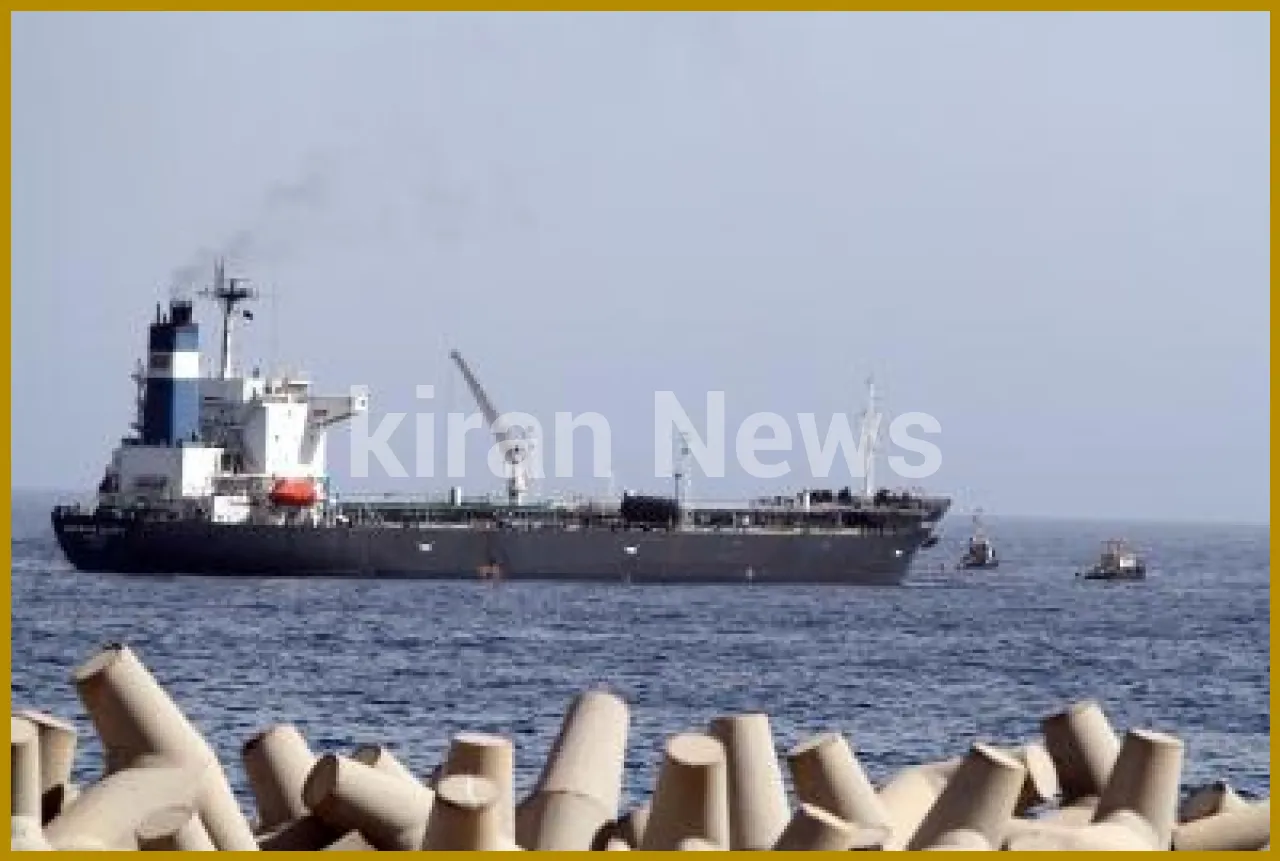
New Delhi, March 25: In response to ongoing tensions in the Strait of Hormuz, the Japanese government will begin releasing 30 days’ worth of oil from its strategic reserves starting Thursday. This initiative is part of a broader plan to extract a total of 45 days’ worth of oil, marking the largest release to date. Additionally, oil will also be drawn from private sector stocks to ensure uninterrupted operations in the world’s fourth-largest economy.
Japan possesses one of the largest oil stockpiles globally, with combined government and private reserves amounting to approximately 254 days of consumption. However, the country still imports over 90% of its crude oil from the Middle East, making it vulnerable amid the ongoing conflict involving Iran, the United States, and Israel.
While the government has so far avoided strict energy-saving regulations, it has issued warnings against the rapidly increasing demand for toilet paper amid supply concerns. As fuel prices hit a record high of 190 yen (approximately $1.20) per liter, Japan has introduced subsidies on fuel products to keep gasoline prices around 170 yen (about $1.07) per liter.
Japan is better prepared for energy shortages compared to many of its neighbors, having learned lessons from the oil shocks of the 1970s. The global economy was affected by stagflation during that decade, beginning with the 1973 oil crisis. Following the Yom Kippur War, Arab oil producers cut supplies and raised prices, causing crude oil prices to quadruple within months and leading to significant challenges for import-dependent economies like Japan.
The impact was severe, as Japan relied heavily on imports for its oil, resulting in a sudden halt in economic growth post-war. Panic buying ensued, and in 1974, Japan’s economy contracted for the first time since World War II, marking the beginning of a period of slow growth.
The second oil crisis in 1979 again drove prices up, but by then, Japan had started to adapt by investing in energy efficiency, diversifying energy sources, and building strategic reserves.