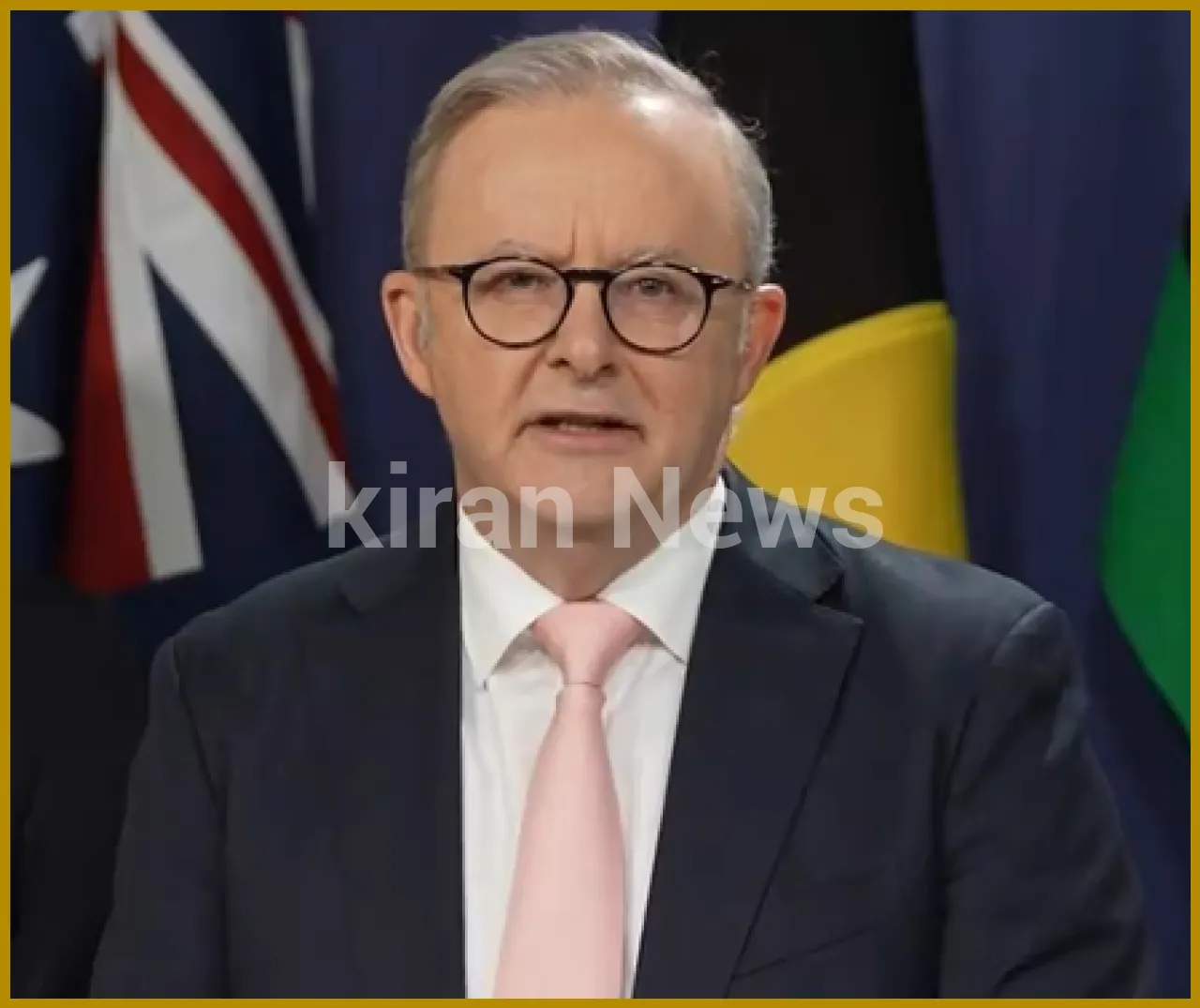
Canberra, March 27: The ongoing tensions due to attacks in Iran and between the United States and Israel have raised concerns over oil and gas supplies globally. Australian Prime Minister Anthony Albanese stated on Friday that while the country’s fuel supply appears stable in the short term, it is expected to become more challenging in the coming months.
During a press conference at Parliament House in Canberra addressing the rising fuel crisis, PM Albanese emphasized that the government is working tirelessly to devise the strongest plans possible and is fully prepared for any eventualities.
He highlighted Australia’s positive relations with Malaysia and the broader ASEAN region, noting that Malaysia is a key supplier of oil to Australia.
Climate Change and Energy Minister Chris Bowen reassured that the supply of petrol, diesel, and oil remains stable in the country. Bowen remarked, “The government has always recognized that there is a real and unacceptable shortfall in regional Australia due to surging demand, and it takes time to strengthen domestic supply.”
To discuss the oil crisis further, Albanese has called for a National Cabinet meeting on Monday. Earlier in the day, Opposition Leader Angus Taylor urged the government to temporarily halve the fuel excise for three months.
According to reports from the Xinhua news agency, the government acknowledged on Wednesday that at least one type of fuel has run out at approximately 470 service stations across the country.
On March 24, the Australian Broadcasting Corporation (ABC) reported that only two domestic refineries are currently operational in Australia, with over 80% of petrol, diesel, and jet fuel being imported, primarily from Asia.
The ABC also noted that most of the crude oil used by Asian refiners comes from the Middle East, primarily transported through the Strait of Hormuz.
The report indicated that there are significant disruptions in the global oil market supply, with the market still underestimating the timing and extent of the impact. It further mentioned that even if the Strait of Hormuz were to reopen, shipping insurance would not recover quickly, potentially exacerbating the effects on both global and Australian economies.