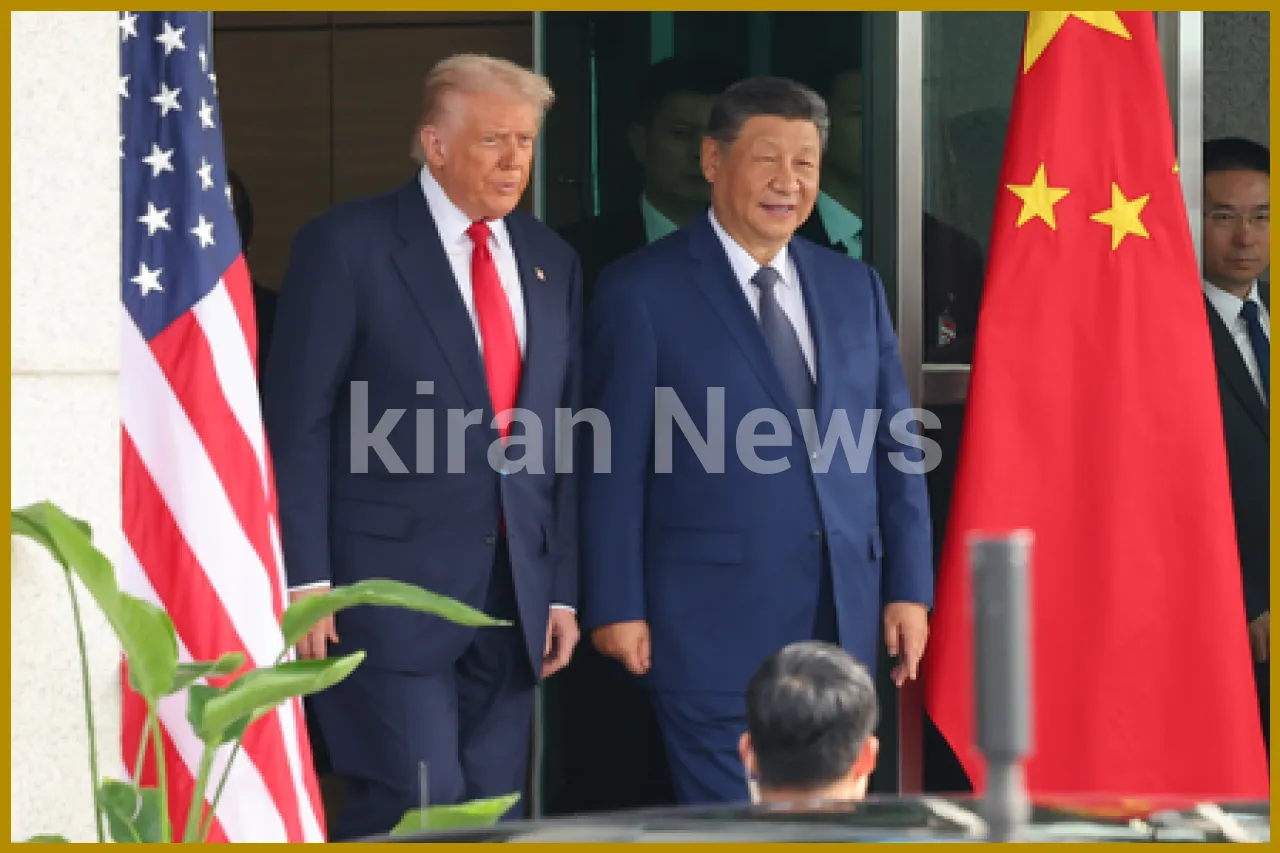
Washington, March 28: U.S. President Donald Trump has announced plans for an upcoming visit to China, highlighting his strong personal relationship with President Xi Jinping while emphasizing ongoing competition between the two nations on trade and economic policy.
Speaking at the Future Investment Initiative summit in Miami, Trump noted his close ties with Xi, stating, “I get along very well with him,” and mentioned cooperation on various issues, including a deal related to TikTok.
Trump revealed that he personally requested Xi’s approval for this deal after other proposals were rejected. “I called President Xi… ‘Would you do me a favor? Would you approve this?’… He said, ‘Okay, I will,’” Trump recounted.
He asserted that the agreement is beneficial for both countries, given the significant business interests of the investors involved in China. Trump credited direct communication with Chinese leadership for this outcome.
Additionally, he stressed the competitive aspects of the relationship, particularly in trade, recalling that tariffs imposed during his tenure reached as high as 145 percent at one point. “At one time they were up to 145 percent… I may have gone a bit too far,” he added, noting that those rates were later reduced.
Trump stated that both countries now compete effectively while maintaining a “great trading relationship.” He acknowledged China’s economic strength, saying, “You have to have great respect for what China does… how well they manufacture.”
He highlighted China’s substantial manufacturing capacity, especially in the automobile sector, and confirmed his travel plans to China in the coming weeks, which had been postponed due to military operations. “Yes, I will go… we postponed it for a few weeks,” he said.
Trump described this visit as part of ongoing engagement with Beijing, despite the two nations remaining economic rivals. He asserted that the U.S. continues to be the world’s leading economy, stating it remains “the hottest (strongest) country in the world.”
The U.S. and China are deeply interconnected through trade and investment, although tensions persist over tariffs, technology, and market access. Given the impact of their relationship on the global economy, both countries are engaged in high-level talks to manage competition and prevent escalating tensions.